Business Storage Solutions in 2026: A Practical Guide for Growing Companies
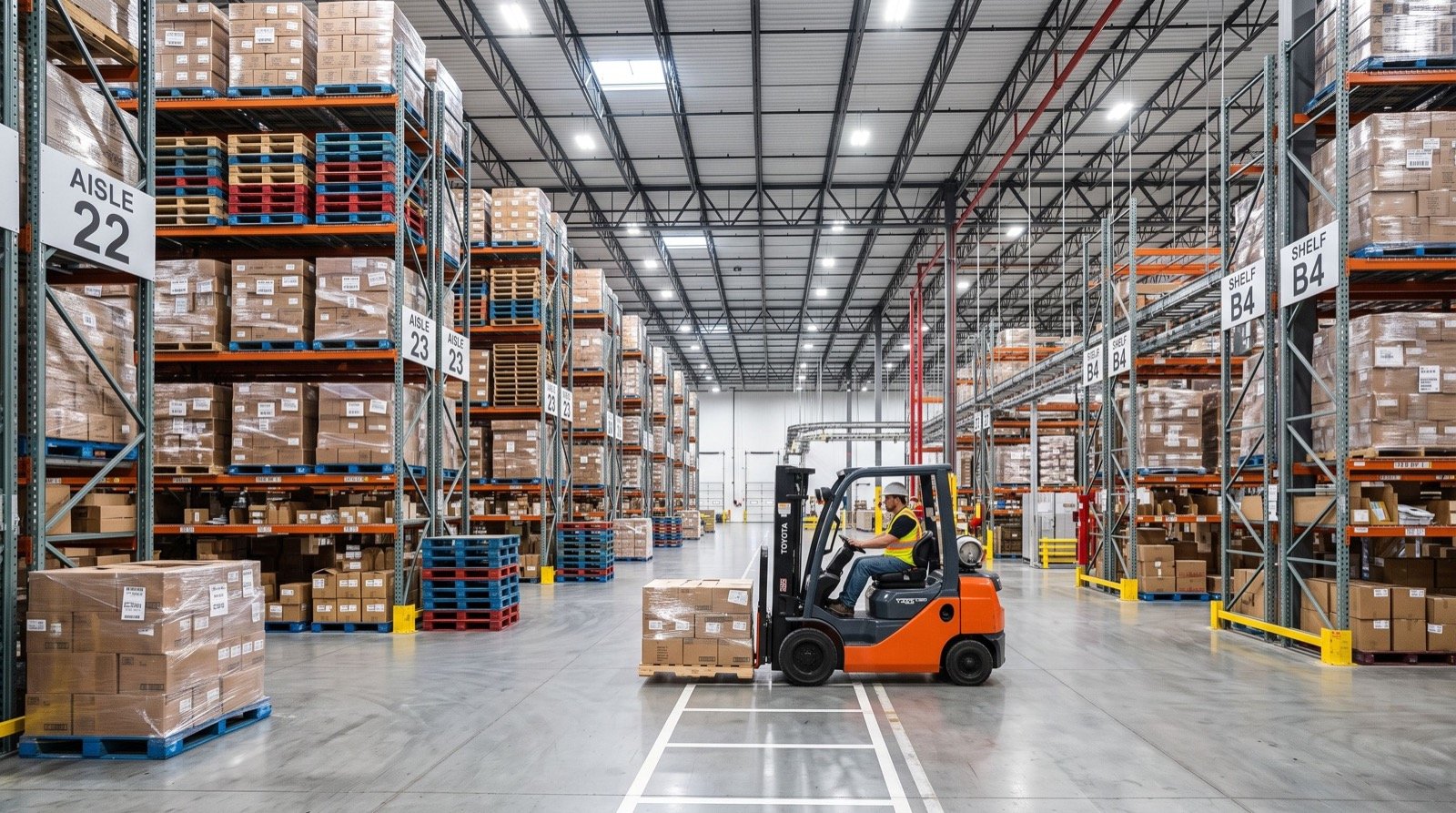
Finding reliable business storage solutions has become a make-or-break decision for companies juggling inventory, seasonal stock, and limited floor space. Whether you run a boutique, a busy kitchen, or a distribution operation, the right storage partner protects your goods and frees your team to focus on growth. In this 2026 guide, we break down how modern warehousing works, what to look for, and how to match a storage plan to your industry.
Space is expensive, and mismanaged inventory quietly drains profit. Smart storage is no longer a warehouse afterthought; it is a competitive advantage that keeps operations lean and customers happy.
Why Business Storage Solutions Matter More Than Ever
Rents in commercial districts keep climbing, and retail square footage costs far more than dedicated warehouse space. Renting storage off-site lets you shrink your expensive showroom footprint while expanding capacity behind the scenes.
Consumer demand also swings hard by season. A single viral product or holiday rush can double your inventory needs overnight. Flexible storage absorbs those spikes without forcing you into a long, rigid lease.
According to the U.S. International Trade Administration, logistics and warehousing capacity across the Gulf region continues to expand rapidly to support diversified economies. That growth means more choice, better facilities, and more competitive pricing for businesses shopping for space today.
The Hidden Cost of Poor Storage
Damaged, misplaced, or spoiled stock rarely shows up as a single line item, yet it eats margins all year. Water damage, pests, temperature swings, and clutter-driven picking errors add up fast.
A professional facility with climate control, security, and organized racking eliminates most of these losses. The savings often cover the rental cost several times over.
Matching Storage to Your Industry
No two industries store goods the same way. A clothing brand worries about fabric creasing and humidity; a restaurant group cares about food safety and rapid access. The best providers tailor space, shelving, and environment to your sector.
For apparel companies, specialized racking and garment-safe conditions protect delicate stock. Providers offering dedicated Storage for the Fashion Industry understand hanging rails, folding systems, and the seasonal cycle that drives retail. That expertise keeps collections crease-free and shelf-ready.
Food and hospitality businesses face stricter rules. Temperature zones, hygiene standards, and fast turnover all matter. Choosing purpose-built Storage for Restaurants ensures ingredients and equipment stay compliant and ready for service.
Common Business Sectors and Their Storage Needs
- Fashion and apparel: Humidity control, garment rails, seasonal overflow.
- Food and beverage: Chilled and dry zones, hygiene compliance, quick access.
- E-commerce: Fast pick-and-pack, barcode organization, returns handling.
- Manufacturing: Raw material bays, spare-parts shelving, bulk pallet space.
- Events and exhibitions: Short-term bulky-item storage between shows.
What Makes a Storage Facility Trustworthy?
Not every warehouse deserves your inventory. Before signing, evaluate the facility on security, environment, access, and service. A quick site visit reveals more than any brochure.
Ask about 24/7 surveillance, individual access logs, fire suppression, and pest control. Then confirm how quickly you can retrieve goods and whether staff assist with loading. Reliable operators behave like trusted professionals, so seek out quality service providers with a proven track record and transparent contracts.
A Simple Vetting Checklist
- Tour the facility in person and inspect cleanliness.
- Verify security systems, insurance, and access hours.
- Confirm climate control matches your goods.
- Review the contract for flexibility and hidden fees.
- Ask for references from businesses in your sector.
Comparing Storage Types for Businesses
Different goods demand different environments. The table below compares the main options so you can shortlist the right fit before requesting a quote.
| Storage Type | Best For | Temperature | Typical Use Case |
|---|---|---|---|
| Ambient | Non-perishables, packaging | Room temperature | Apparel, dry goods, retail stock |
| Chilled | Fresh produce, dairy | 0–8°C | Restaurants, grocers |
| Dry | Grains, canned goods | Cool and low-humidity | Food distributors, kitchens |
| Bulk pallet | High-volume inventory | Ambient | Manufacturers, wholesalers |
How to Choose the Right Storage Plan in 2026
Start by mapping your inventory flow. Measure your peak stock levels, note how often you access items, and identify any temperature-sensitive goods. Those three data points guide almost every decision.
Next, weigh flexibility against price. Short-term contracts cost more per month but protect you from paying for empty space in the off-season. Many businesses combine a small permanent unit with scalable overflow.
An Original Tip From the Warehouse Floor
Label everything by season and priority, not just by product. When your holiday stock lives in one clearly marked zone, seasonal changeovers take hours instead of days. This single habit slashes labor costs and picking errors year-round.
Scaling Storage as Your Business Grows in 2026
Growth is exciting, but it strains storage faster than almost any other resource. A plan that suited a startup rarely fits a scaling company, so your storage strategy must evolve alongside your revenue. The businesses that plan ahead avoid painful, disruptive moves.
Modular capacity is the secret. Rather than committing to one large, fixed space, choose a provider that lets you add units as volume rises and release them when it dips. This keeps your costs tied to actual demand instead of optimistic forecasts.
Technology plays a growing role too. A digital inventory system synced across your storage locations gives you real-time visibility, so you always know exactly what you hold and where. That clarity prevents both overstocking and stockouts as your operation expands.
Preparing for Multi-Location Storage
As companies grow, many spread inventory across several sites to shorten delivery times and reduce risk. Coordinating those locations demands consistent labeling, shared inventory data, and a reliable storage partner in each region. Standardizing your processes early makes expansion far smoother.
Before adding a second or third location, confirm your provider can support your standards everywhere you operate. Consistency across sites keeps quality high and prevents the confusion that often accompanies rapid growth.
Frequently Asked Questions
How much do business storage solutions cost?
Pricing depends on space, environment, and location. Ambient storage costs the least, while chilled and specialized units carry a premium. Requesting a tailored quote based on your actual volume gives the most accurate figure.
Can I access my stored inventory anytime?
Most professional facilities offer flexible or 24/7 access, though some restrict entry to business hours for security. Always confirm access terms before signing, especially if your operation runs on tight turnarounds.
Is climate-controlled storage worth the extra cost?
For fabrics, electronics, food, and cosmetics, yes. Humidity and heat cause slow, expensive damage that quickly outweighs the modest price difference. Non-perishable packaging can safely use standard ambient space.
How do I scale storage as my business grows?
Choose a provider with modular capacity so you can add units on demand. Combining a fixed base unit with seasonal overflow keeps costs predictable while giving you room to expand.
Final Thoughts and Next Steps
The right business storage solutions do more than hold inventory; they protect your margins, speed up fulfillment, and give your team room to grow. By matching storage type to your industry, vetting facilities carefully, and planning for seasonal swings, you turn a cost center into a strategic asset.
Ready to take control of your inventory in 2026? Assess your current stock flow, tour a few facilities, and request a quote tailored to your sector. A little planning today saves significant money and stress tomorrow.