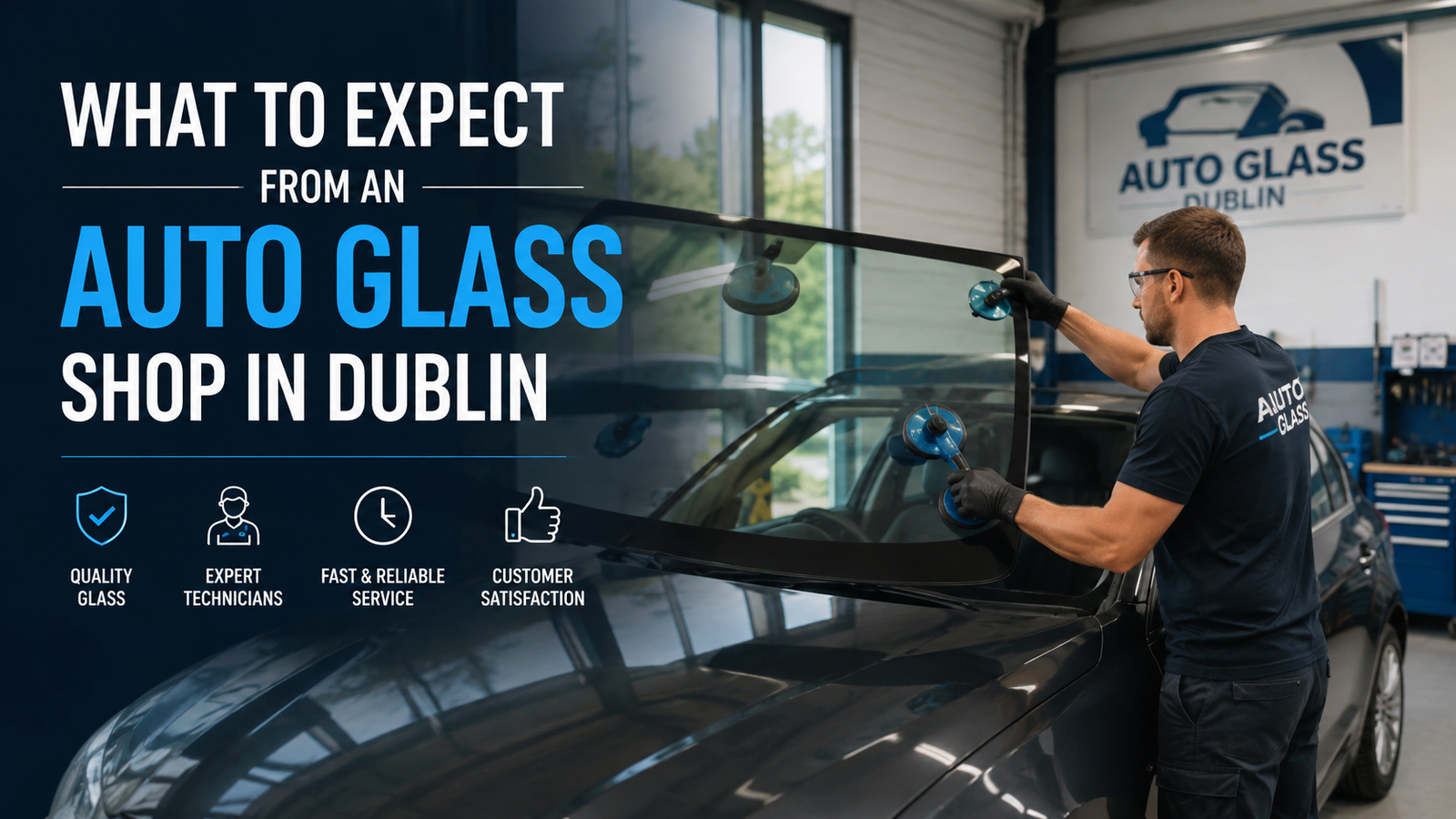
A vehicle’s windshield does far more than block wind and rain. It’s a structural component of the car, contributing to the overall strength of the frame during a rollover and providing a mounting surface for advanced safety systems like forward collision warning cameras in many newer vehicles. Side and rear windows play their own safety roles, and all of this glass is engineered specifically for the demands of automotive use. Understanding how Auto Glass Shop Dublin damage is assessed and repaired helps drivers in Dublin make informed decisions when a chip, crack, or shattered window occurs.
The Difference Between Windshield Repair and Replacement
One of the first questions that comes up after windshield damage is whether it can be repaired or whether it needs to be fully replaced. Several factors typically guide that decision.
When repair is usually possible
Small chips, generally about the size of a quarter or smaller, and cracks that can be covered by a dollar bill are often good candidates for repair. Repair involves injecting a specialized resin into the damaged area, which bonds the glass back together, stops the damage from spreading, and restores much of the windshield’s clarity and strength. Repairs are typically quicker than replacement and preserve the factory seal around the original windshield.
When replacement becomes necessary
Larger cracks, damage that extends to the edge of the windshield, or chips located directly in the driver’s line of sight generally call for full replacement rather than repair. Cracks near the edge of the glass tend to spread more easily due to the structural stress concentrated in that area, making repair less reliable. Damage that has penetrated through multiple layers of the windshield’s laminated construction also typically requires replacement, since a repair resin can’t restore that level of structural compromise.
How Auto Glass Is Constructed
Understanding the basic construction of automotive glass helps explain why some damage can be repaired while other damage cannot. Windshields are made from laminated glass, consisting of two layers of glass bonded together with a thin layer of plastic vinyl in between. This construction is what allows a windshield to crack without shattering into dangerous shards, and it’s also why deep damage that reaches the vinyl layer typically requires full replacement. Side and rear windows, by contrast, are usually made from tempered glass, which is heat-treated to be significantly stronger than standard glass. When tempered glass is damaged severely enough, it tends to shatter into small, relatively harmless pieces rather than cracking, which is why side and rear window damage typically requires replacement rather than repair.
What Happens During a Windshield Replacement
A proper windshield replacement follows a careful sequence to ensure the new glass is installed safely and securely:
- Removal of the damaged windshield, including the old adhesive and any trim pieces that need to be taken off first.
- Preparation of the frame, cleaning the mounting surface and applying new urethane adhesive designed specifically for automotive glass installation.
- Setting the new windshield, carefully positioning it to ensure proper alignment and a secure seal around the entire perimeter.
- Curing time, during which the adhesive needs to set before the vehicle can be safely driven, particularly important for maintaining the windshield’s structural role in the vehicle.
- Recalibration, if applicable, since many newer vehicles have cameras or sensors mounted near the windshield for driver assistance features that may need to be recalibrated after replacement to function correctly.
Mobile Versus In-Shop Auto Glass Service
Many auto glass providers offer both mobile service, where a technician comes to the customer’s location, and in-shop service at a dedicated facility. Each has its own advantages depending on the situation.
Mobile service offers convenience, allowing repairs or replacements to happen at a home, workplace, or wherever the vehicle is parked, without requiring the vehicle to be driven anywhere. This can be especially useful when damage makes driving the vehicle inadvisable. In-shop service, on the other hand, often provides access to a wider range of specialized equipment and a controlled environment, which can be beneficial for more complex jobs or when recalibration equipment is needed.
Common Questions About Auto Glass Service
How quickly should a windshield chip be addressed?
Prompt attention matters. A small chip that could easily be repaired today can spread into a larger crack within days or weeks, particularly with temperature fluctuations or additional road vibration, at which point repair may no longer be an option and full replacement becomes necessary.
Does auto glass damage affect a vehicle’s safety systems?
For vehicles equipped with driver assistance features like lane departure warning or automatic emergency braking, a windshield replacement often requires recalibrating the camera or sensor mounted near the glass. Skipping this step can affect how accurately those systems function.
Can extreme temperatures affect windshield cracks?
Yes. Rapid temperature changes, like blasting a hot defroster on a freezing windshield, can cause existing chips and cracks to spread more quickly due to the stress created by uneven expansion and contraction of the glass.
Is all replacement auto glass the same quality?
Auto glass generally falls into a couple of categories: OEM (Original Equipment Manufacturer) glass, produced by or for the vehicle’s original manufacturer, and OEE (Original Equipment Equivalent) glass, which meets the same safety standards but may come from a different manufacturer. Both are designed to meet required safety standards, though there can be minor differences in fit or features between the two.
Understanding Windshield Recalibration
Many vehicles built in recent years rely on a forward-facing camera mounted near the windshield to support driver assistance features such as lane departure warnings, automatic emergency braking, and adaptive cruise control. Because these cameras are calibrated to a very specific position relative to the vehicle, replacing the windshield can shift that alignment slightly, even when the new glass is installed correctly. Recalibration is the process of resetting the camera’s reference points so these safety systems continue to function as intended. Depending on the vehicle, this can involve a static calibration performed with specialized targets in a controlled shop environment, a dynamic calibration that involves driving the vehicle under specific conditions so the system can recalibrate itself, or sometimes a combination of both.
How Insurance Typically Handles Auto Glass Claims
Many auto insurance policies that include comprehensive coverage extend to windshield and auto glass damage, though the specifics vary by policy and state. In many cases, a deductible applies to windshield replacement the same way it would to other comprehensive claims, though some states and insurers offer glass coverage with no deductible, recognizing that prompt repair of small chips helps prevent the need for a costlier full replacement later. When filing a claim for glass damage, insurers typically ask for basic details about how the damage occurred and may direct the policyholder to a preferred network of shops, though most policies also allow customers to choose their own auto glass provider.
What to Do Immediately After Glass Damage Occurs
How a driver responds in the moments after noticing chip or crack damage can influence whether repair remains an option. Placing a small piece of clear tape over a fresh chip can help keep out dirt and moisture until a professional assessment can be done, which preserves the best chance of a clean repair. Avoiding car washes, particularly high-pressure washes, and steering clear of rough roads when possible also reduces the risk of the damage spreading before it can be addressed. For cracks that significantly obstruct the driver’s view, it’s generally advisable to have the vehicle inspected as soon as reasonably possible rather than continuing to drive with compromised visibility.
Preventive Habits That Protect Auto Glass
A few simple habits can reduce the likelihood of windshield damage in the first place. Maintaining a safe following distance on highways reduces exposure to rocks and debris kicked up by other vehicles. Parking away from ongoing construction or landscaping work limits exposure to flying debris. Addressing small chips promptly, rather than waiting, keeps minor damage from developing into a problem that requires full replacement.
Why Weather and Road Conditions Play a Role
Local driving conditions influence how often auto glass damage occurs. Roads with more loose gravel, ongoing construction, or heavy highway traffic tend to generate more of the small debris that leads to chips and cracks. Temperature swings, common between Dublin’s warm days and cooler nights, can also cause existing minor damage to expand more quickly than it might in a more temperature-stable climate, which is part of why prompt assessment of even small chips is generally worthwhile rather than waiting to see whether the damage grows on its own.
Making Informed Decisions About Auto Glass
Auto glass damage is a common part of vehicle ownership, but understanding the difference between repairable and non-repairable damage, how the replacement process works, and why prompt attention matters helps drivers navigate the situation with confidence. For those in Dublin dealing with a chip, crack, or more significant glass damage, knowing what a qualified auto glass shop in Dublin actually evaluates when assessing damage makes it easier to understand the recommendation being made and why it’s the right call for the vehicle’s long-term safety.