
Online Courses in 2026: How Pakistani Families Invest Smarter
Household budgets in Pakistan are being split differently in 2026 than they were five years ago. Families are still buying everyday goods and furnishing their homes, but a growing share of monthly spending is going toward skill-building: enrolling in online courses, booking private tutoring sessions, and investing in tools that make small businesses run more efficiently. This shift is not a passing trend — it reflects a genuine recalculation of where money produces the best long-term return.
This article looks at why education spending now competes directly with household shopping budgets, how to tell a worthwhile online course from a weak one, and how smart operational tools like queue management systems are helping local service businesses reinvest the time they save into exactly this kind of upskilling.
Why Pakistani Households Are Rebalancing Their Budgets
Rising costs of imported goods have pushed many families to shop more carefully, comparing prices and prioritizing durability over quantity. At the same time, remote work and freelancing have made skills — not just goods — a direct source of household income. A parent who completes a certification in digital marketing or a child who gets ahead in maths through consistent practice both represent a return on investment that a physical purchase rarely matches.
The Numbers Behind the Shift
Industry surveys through 2025 and into 2026 consistently show double-digit year-on-year growth in Pakistani enrollment for online learning platforms, even as overall retail spending growth stays comparatively flat. That gap tells its own story about where families see value right now.
Everyday Goods vs Skill-Building: Where Should the Budget Go?
| Spending Category | Typical Monthly Cost (PKR) | Return Horizon |
|---|---|---|
| Household goods and essentials | Ongoing, consumable | Immediate, short-term |
| Online courses / certifications | Moderate, often one-time or quarterly | Medium to long-term (income potential) |
| Private or online tutoring | Monthly, recurring | Long-term (academic trajectory) |
| Business efficiency tools | One-time or subscription | Immediate operational savings |
None of these categories should be eliminated in favor of another — the healthiest household budgets in 2026 treat them as complementary, not competing, line items.
What Makes an Online Course Worth the Money
Not every course delivers equal value, and families shopping for goods online already know how to spot a weak listing — vague descriptions, no verified reviews, unclear return policy. The same scrutiny should apply to education purchases.
- Clear, structured curriculum with defined outcomes, not just a loose collection of videos.
- Instructors with verifiable credentials and real teaching experience, not just subject knowledge.
- Flexible scheduling that fits around work, school, or household responsibilities.
- A trial lesson or sample module before committing to a full course package.
A well-structured online courses program checks all four boxes, which is exactly why word-of-mouth referrals for good platforms travel so quickly within Pakistani family and community networks.
Online Tutoring: The Personalized Layer Courses Can’t Always Offer
Group-paced courses are efficient, but they cannot always catch the one specific gap holding a student back — a misunderstood concept in algebra, weak grammar in a second language, or exam anxiety that no amount of self-study video content fixes on its own. This is where one-on-one online tutoring earns its place in the family budget alongside broader courses.
The two work best together: a structured course builds the overall roadmap, while a tutor handles the individual sticking points as they come up, week by week. Families who combine both report faster, steadier progress than those relying on either one alone.
UNESCO’s education guidance similarly notes that personalized support alongside structured curricula produces measurably better learning outcomes than either approach used in isolation — which matches what Pakistani parents are discovering through direct experience.
One Practical Tip Most Families Miss
Track tutoring and course spending the same way you track grocery spending — by outcome, not just by receipt. A simple monthly note of “what improved” against “what was spent” quickly reveals whether a course or tutor is actually working, long before a full term or semester is wasted on something that isn’t.
How Local Businesses Free Up Time (and Budget) to Reinvest in Education
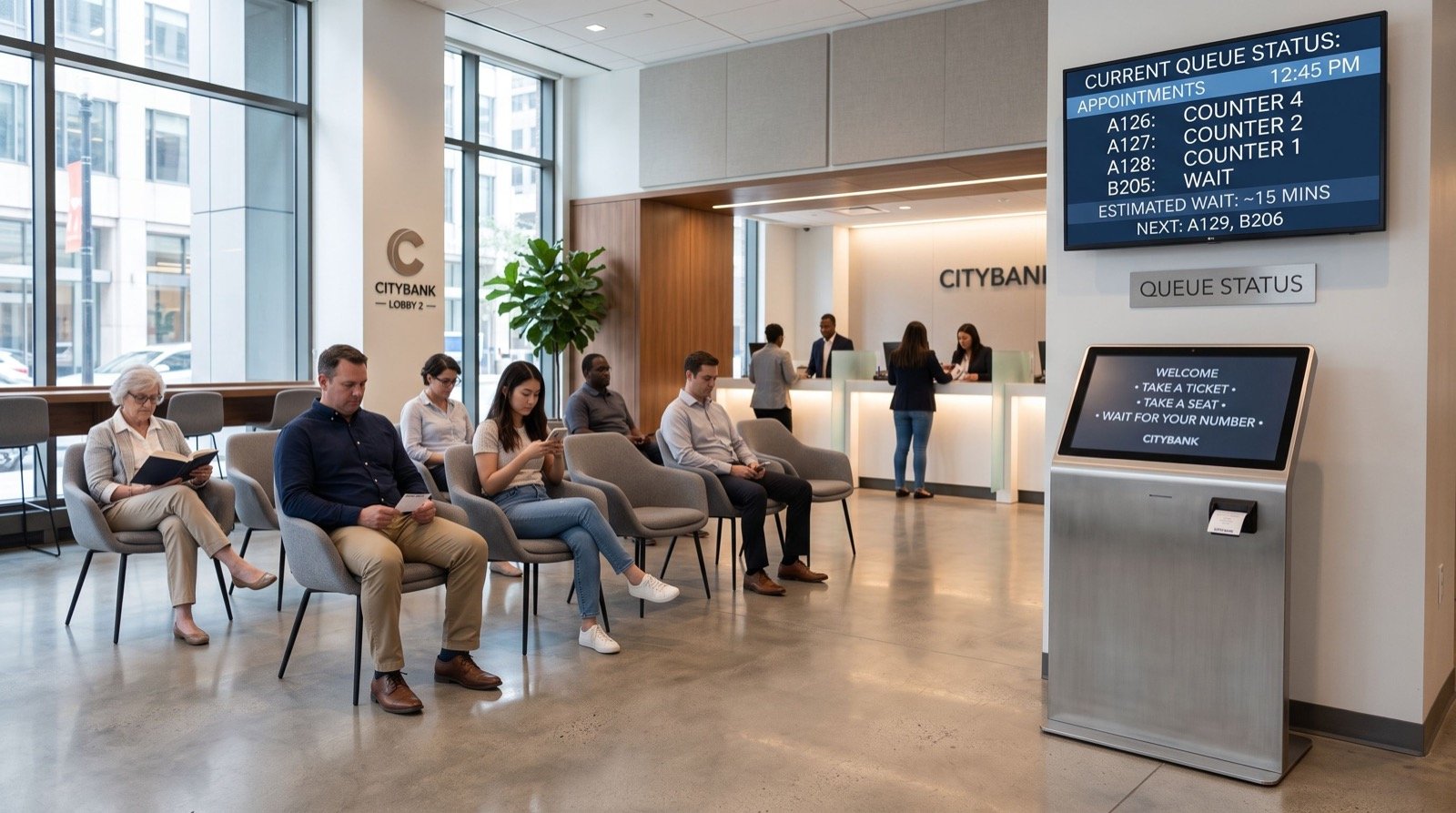
The education-spending shift isn’t limited to households — small retail and service businesses across Pakistan and the wider region are also freeing up resources by fixing operational bottlenecks. A good example is customer flow management: businesses that used to lose hours daily to disorganized walk-in queues are now adopting smarter systems to cut wait times and staff overtime.
Business owners who want to see this in practice, including real deployments and efficiency numbers, can review how an experienced local team has implemented queue management technology for retail and service outlets. The time and labor savings from systems like these often get reinvested directly into staff training — another form of the same upskilling trend playing out at the household level.
Building a Household Plan That Covers Goods, Skills, and Time
- Set a fixed monthly ceiling for consumable household goods, reviewed quarterly against actual prices.
- Allocate a separate, non-negotiable line item for online courses or tutoring — treat it like a utility bill, not a luxury.
- Track outcomes monthly, not just spending, for both shopping and education categories.
- For business owners, audit where staff time is wasted and consider efficiency tools before adding more education spend on top of an already stretched schedule.
Frequently Asked Questions
Is it realistic to cut household goods spending to afford online courses?
Usually a moderate adjustment, not a full cut, works best. Most families find 10–15% of discretionary goods spending can shift toward education without any real lifestyle sacrifice.
How do online courses compare to in-person classes on cost?
Online courses are typically 30–50% cheaper than equivalent in-person classes once travel time and transport costs are factored in, with comparable or better outcomes for self-motivated learners.
Can online tutoring really replace a full-time school subject teacher?
Not fully — tutoring works best as a supplement to formal schooling, targeting specific weak areas rather than replacing the broader curriculum a school provides.
Why does queue management technology matter to an education-spending article?
Because the efficiency gains businesses capture from smarter operations are frequently the exact budget and time families later reinvest into courses, tutoring, and staff development.
Final Thoughts: Spend on Goods, Invest in Skills
Smart household budgeting in 2026 is not about choosing between shopping and education — it’s about being equally deliberate with both. Buy goods carefully, choose online courses and tutoring with the same scrutiny you’d apply to any major purchase, and keep an eye on operational efficiency wherever it frees up money to reinvest. Start reviewing your own household’s split this month, and track the outcomes, not just the receipts.